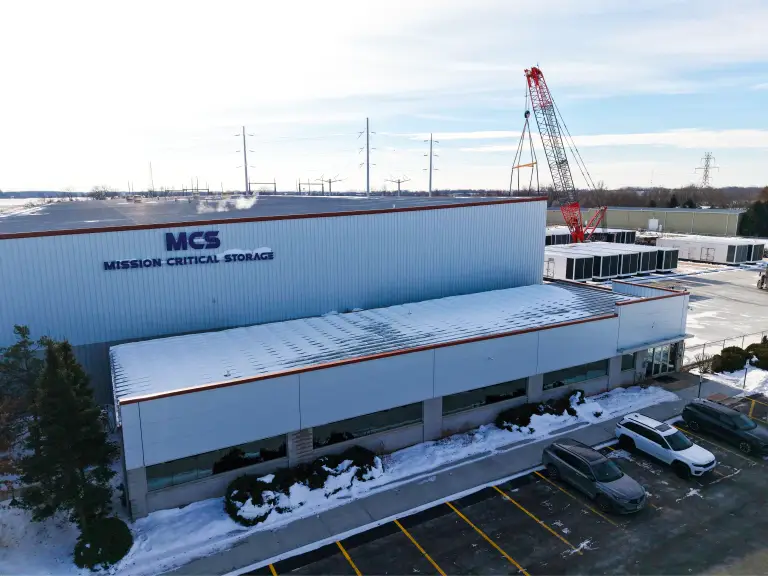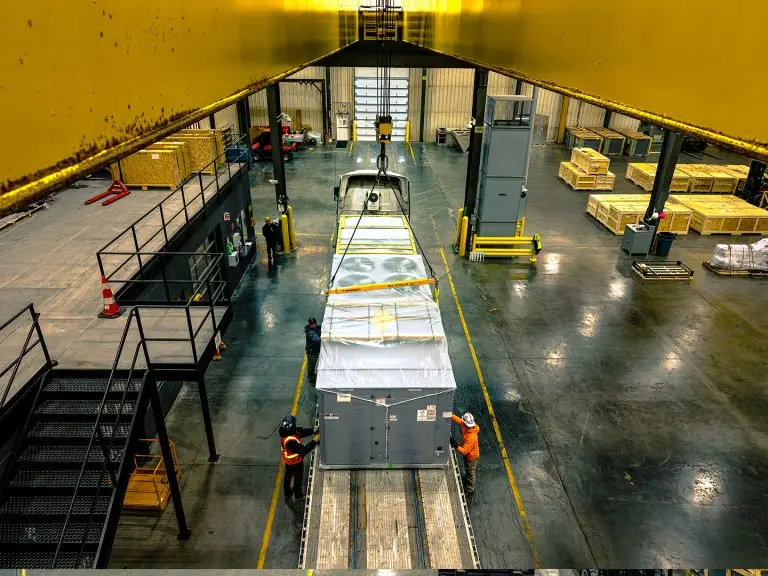
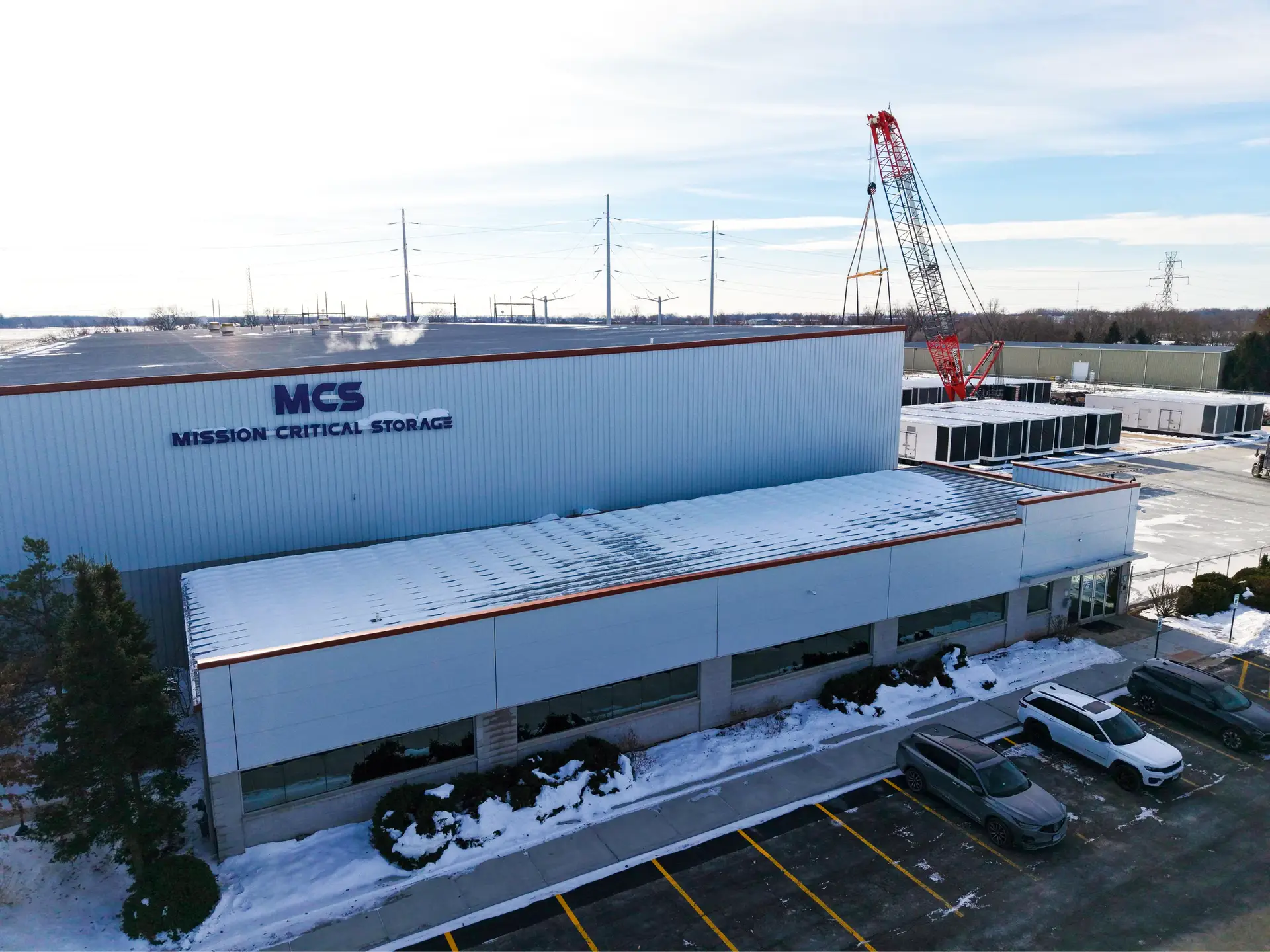
At Mission Critical Storage, mission critical equipment storage is designed to protect high-value data center assets throughout extended holding periods. From the moment equipment arrives, our team secures, organizes, and manages each item in climate-controlled environments that preserve condition, visibility, and accountability.
Because data center equipment is sensitive and often delivered in phases, our storage approach emphasizes order, protection, and controlled access. This allows organizations to maintain confidence in asset availability without assuming any construction or installation responsibility.
Why Specialized Storage Matters for Data Center Equipment
General warehousing focuses on volume and rapid turnover. Data center equipment, however, requires a higher level of care. Secure environments, structured intake procedures, and organized staging help reduce handling risk and prevent unnecessary exposure.
Mission Critical Storage applies documented processes and restricted access to keep equipment protected throughout extended storage durations.
Equipment Storage from Intake to Authorized Release
Storage begins at intake. When equipment arrives, our team logs, inspects, and assigns assets to designated areas based on size, handling needs, and release sequencing. This method limits movement and helps preserve equipment condition.
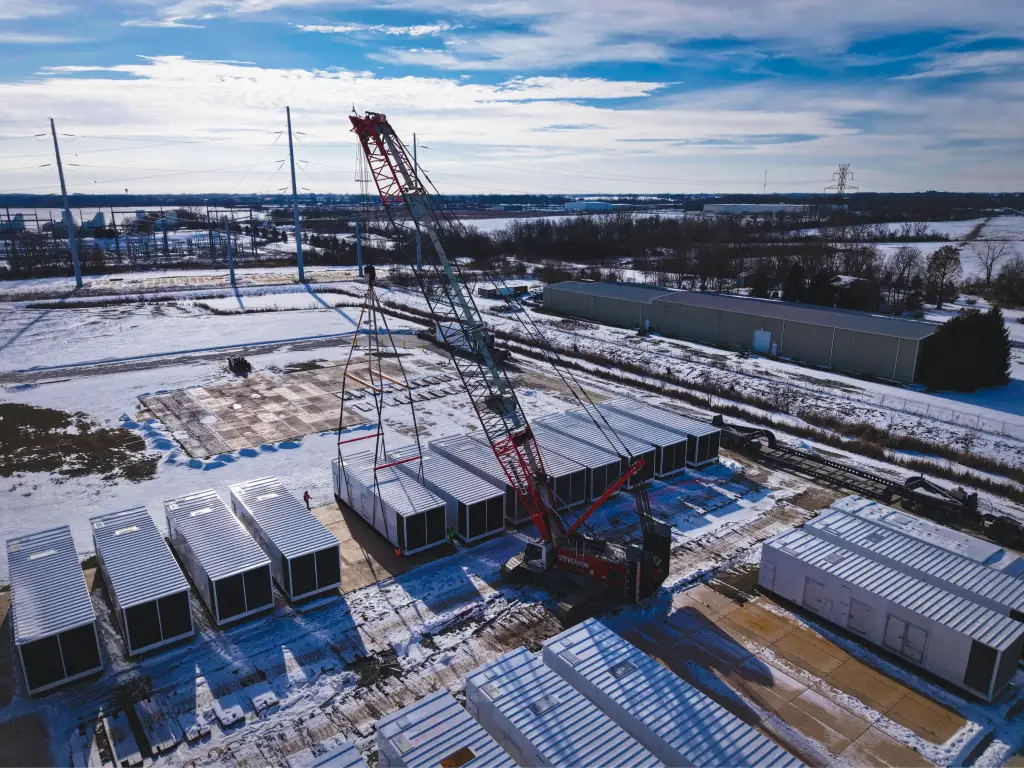
Organized staging and controlled release coordination ensure assets leave storage only when approval is provided. As a result, schedules remain protected while responsibility stays focused on secure storage and release.
Secure Handling of OFCI Assets
Owner-Furnished, Contractor-Installed assets often arrive from multiple manufacturers on different schedules. Mission Critical Storage provides a centralized location to receive, secure, track, and hold OFCI equipment until release is authorized.
This structure simplifies coordination while maintaining clear ownership records and inventory visibility.
Types of Data Center Equipment Commonly Stored
Mission Critical Storage supports a wide range of high-value and oversized data center equipment, including:
- Generators, fuel tanks, and equipment enclosures
- Electrical components such as ATS units, PDUs, switches, and transformers
- Cable reels, busway systems, and cable tray materials
- Raised access flooring systems and structural steel
- Cooling infrastructure including chillers and condensers
- Fans, fan walls, and non-operational CRAC and CRAH units
Each category requires controlled handling, appropriate storage conditions, and careful coordination to remain ready for release without damage or delay.
Reducing Risk Through Disciplined Storage
Mission Critical Storage reduces exposure by protecting asset value, maintaining inventory accuracy, and supporting precise release timing. Secure facilities, documented procedures, and restricted access help prevent loss, confusion, and misalignment.
A Higher Standard at Mission Critical Storage
As data center infrastructure continues to scale, expectations for equipment protection increase. Mission Critical Storage delivers a higher standard of care through climate-controlled facilities, organized staging, and experienced oversight.
Ultimately, mission critical equipment storage provides clarity, control, and reliability for data center assets while keeping responsibility clearly limited to secure storage and authorized release.
Learn more about our trusted heavy-lift and crane partners
Explore additional storage capabilities at Mission Critical Storage